
Empowering Diabetic Foot Care: The Role of Wireless PRO
Wireless PRO electrotherapy can offer several applications for managing the complications associated with diabetic foot, primarily focusing on pain relief, improving circulation, and potentially aiding wound healing. Here's a breakdown of the applications
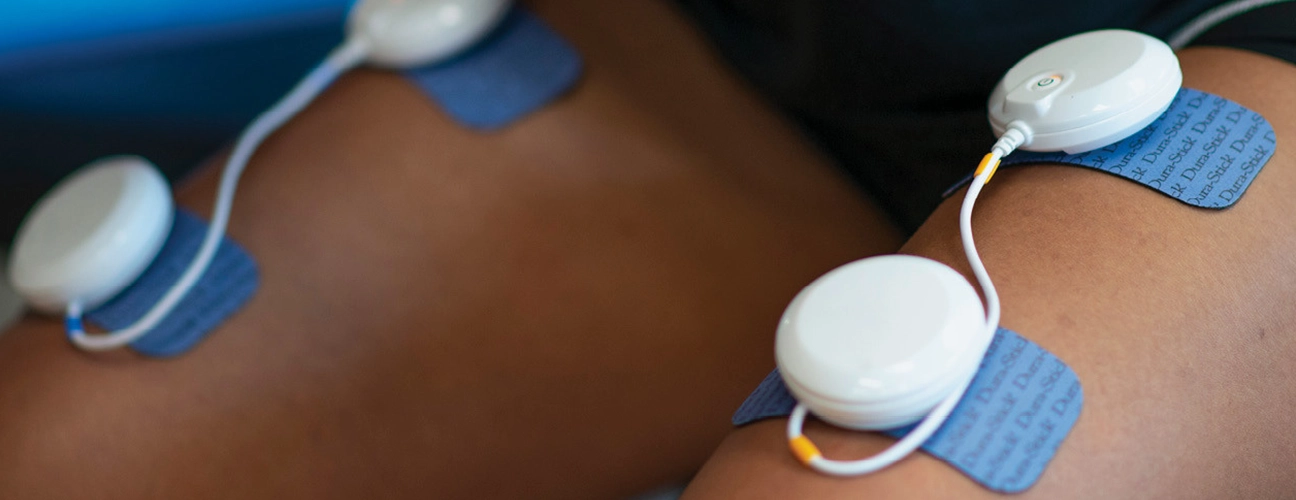
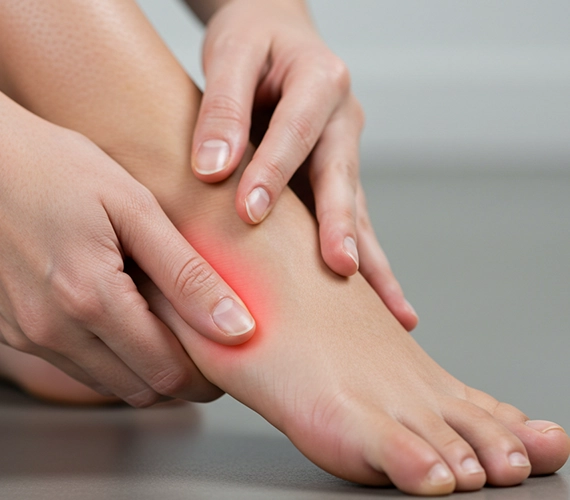
Pain Management for Diabetic Peripheral Neuropathy (DPN):
- Mechanism: Wireless PRO devices utilizing Transcutaneous Electrical Nerve Stimulation (TENS) programs can help alleviate the chronic pain associated with DPN. This includes symptoms like burning, tingling, numbness, and shooting pains in the feet and legs. TENS works by stimulating sensory nerves, which can block pain signals from reaching the brain (Gate Control Theory) and promote the release of endorphins, the body's natural painkillers.
- Wireless PRO Advantage: The wireless nature allows for convenient and prolonged use during daily activities, potentially providing sustained pain relief without the restriction of wires. Electrodes can be placed on different areas of the foot and leg to target the specific pain locations.
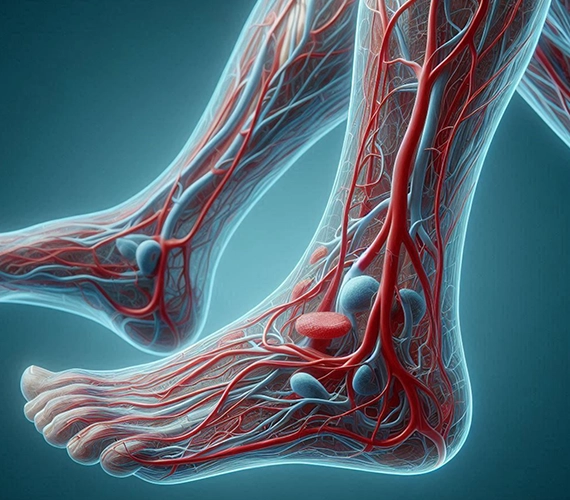
Improving Local Blood Circulation:
- Mechanism: Neuromuscular Electrical Stimulation (NMES) programs in Wireless PRO devices can induce muscle contractions in the lower legs and feet. These contractions help to pump blood back towards the heart, improving local circulation.
- Wireless PRO Advantage: For individuals with diabetes, impaired circulation in the feet is a significant concern, increasing the risk of ulcers and hindering healing. Wireless NMES allows for regular, non-invasive stimulation to improve blood flow, potentially delivering more oxygen and nutrients to the tissues. Some devices even have specific programs designed to enhance circulation.
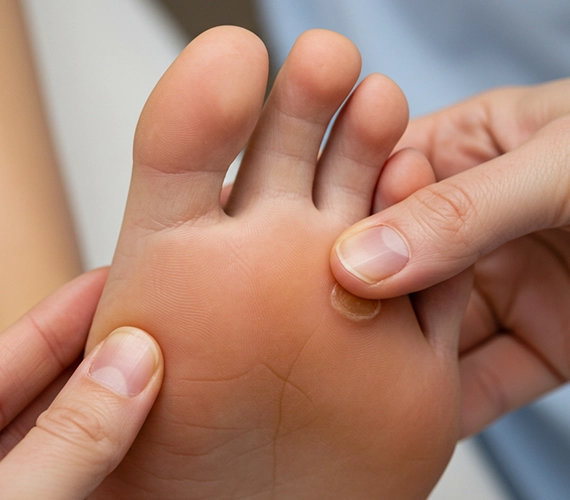
Adjunctive Therapy for Diabetic Foot Ulcer (DFU) Healing:
- Mechanism: While not a standalone treatment, certain types of electrical stimulation delivered by Wireless PRO devices, particularly microcurrent stimulation (MCS) or pulsed currents, may promote wound healing in DFUs. These modalities are thought to work by:
- Increasing cell migration: Stimulating the movement of cells like fibroblasts and keratinocytes to the wound bed, which are crucial for tissue repair.
- Enhancing growth factor release: Promoting the production of substances that encourage tissue regeneration and blood vessel formation (angiogenesis).
- Improving local oxygenation: By increasing blood flow, more oxygen is delivered to the wound, which is essential for healing.
- Potentially inhibiting bacterial growth: Some evidence suggests electrical stimulation might have an antimicrobial effect.
- Wireless PRO Advantage: The wireless nature allows for convenient and prolonged use during daily activities, potentially providing sustained pain relief without the restriction of wires. Electrodes can be placed on different areas of the foot and leg to target the specific pain locations.
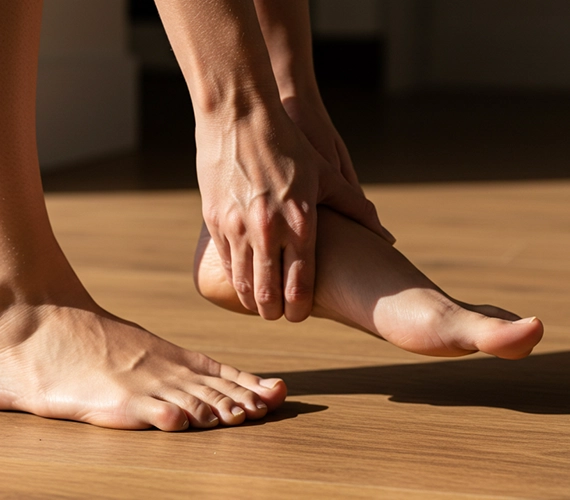
Management of Muscle Weakness and Atrophy:
- Mechanism: Diabetic neuropathy can lead to muscle weakness and atrophy in the feet and lower legs. NMES programs in Wireless PRO devices can help to stimulate and strengthen these muscles.
- Wireless PRO Advantage: Strengthening the muscles in the feet and legs can improve stability, balance, and gait, reducing the risk of falls and injuries that could lead to foot ulcers.
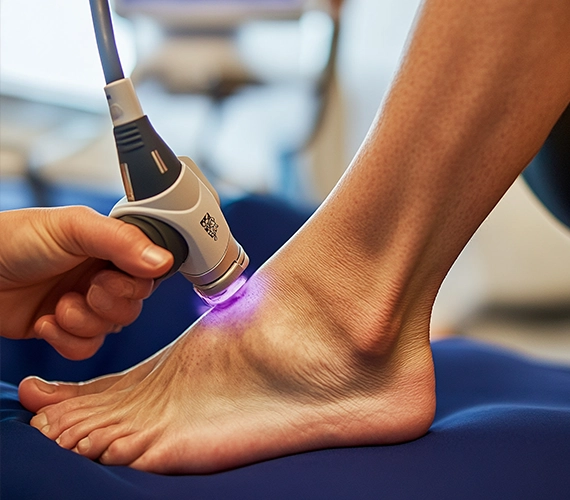
Sensory Re-education (Potential Application):
- Mechanism: While more research is needed, there's a potential for specific electrical stimulation protocols to aid in sensory re-education in individuals with DPN who have lost some sensation in their feet. The stimulation might help to improve nerve function and the perception of touch and pressure.
- Wireless PRO Advantage: The ability to target specific nerve pathways with wireless electrodes could be beneficial for tailored sensory re-education programs.